
Fight Period Poverty in Hong Kong – Support Vulnerable Girls’ Growth and Well-being
In developing countries, many girls are unable to afford menstrual products due to poverty. As a result, they are forced to use poor-quality sanitary pads or substitute them with cloth rags, leaves, or newspapers—leading to leakage and increasing the risk of infection. In such environments, families often prioritize food over hygiene, overlooking the essential needs of women and girls.
But did you know that period poverty also exists in Hong Kong? Our research shows that 1 in 10 respondents struggle to purchase or access menstrual products due to financial constraints. Even more concerning, nearly half (49.6%) of respondents find menstruation troublesome, with some saying they would rather not be female.
Girls living in subdivided flats and those in residential settings face even greater challenges. They lack resources and suffer from the stigma surrounding menstruation, affecting their confidence and well-being.
They need our attention and support. Let’s break the silence and speak up for girls facing period poverty and shaming in our city.
What is period poverty?
Period poverty isn’t just about money. It’s a ‘toxic trio’ of issues preventing girls and women from managing their periods as they need to.

Cost of Menstrual Products
Women struggle to cover the recurring monthly cost of their periods. They may go without products or unsafely improvise with tissues or other material. This compromises not only physical health but also dignity.

Lack of Access to Menstrual Products and Facilities
Even with the financial means, some may still face challenges in obtaining safe, hygienic products and accessing clean, private spaces to manage their menstruation. These barriers can disrupt daily routines and reduce productivity, underscoring the systemic nature of period poverty.

Lack of Education about Periods
Young people aren’t being taught how menstruation works. If you don’t understand your body or what a healthy period looks like, you can’t ask for medical help when you need it. Without right knowledge, women may fail to recognise abnormal symptoms, delay seeking medical attention, and miss opportunities for early diagnosis—posing long-term risks to their health.
What is period shaming?

The shame, stigma and taboo about periods
Girls and women are made to feel there’s something wrong with their bodies when they have their period. They may withdraw from activities and be denied the chance to enjoy life to the fullest.
Study On the Current State of Period Poverty in Hong Kong
Between June and September of 2025, Plan International Hong Kong commissioned Saint Francis University to conduct the first citywide study on the current state of period poverty in Hong Kong, Random sampling was conducted using a telephone database, and a total of 1,000 respondents and 7 focus group interviews were conducted (These interviews involved ethnic minority women, women and girls living in subdivided flats, female recipients of food bank and girls residing in residential settings.). The main objectives of the study are to explore the current situation of period poverty and related challenges in Hong Kong; to examine how girls/ women perceive the situation of period poverty and their awareness of this issue; to understand the experiences of underprivileged girls/ women in Hong Kong regarding period poverty and period shaming and to provide evidence-based suggestions to alleviate period poverty, enhance sex education, health status of underprivileged girls/ women.
According to the research, financial burden, lack of access to menstrual facilities, poor menstrual health management, and period shaming are the four key challenges in managing menstruation.
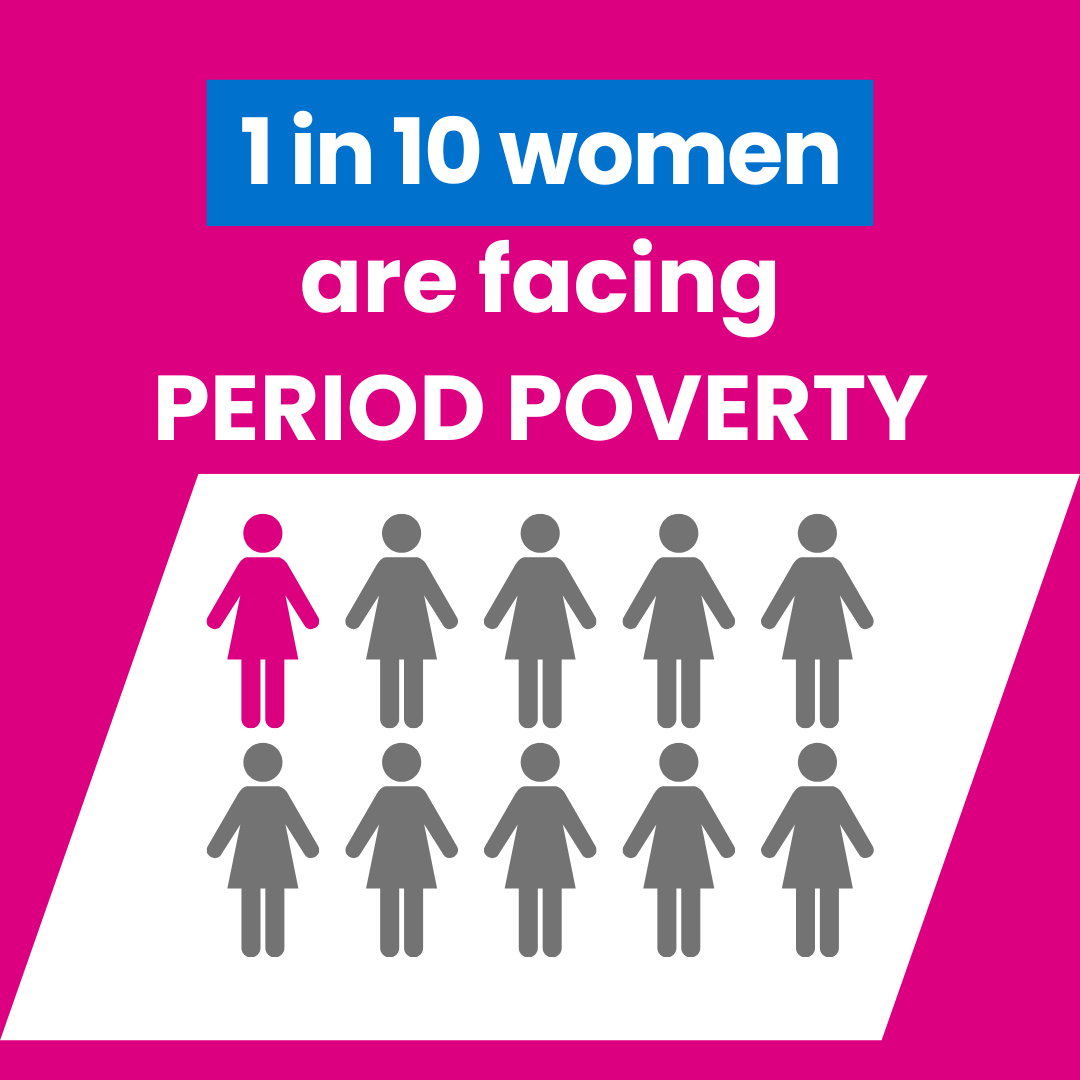
1 in 10 respondents experienced difficulties in purchasing/ accessing menstrual products due to financial constraints. Extrapolated to the broader population, around 236,289 women aged 12-54 are facing period poverty in Hong Kong
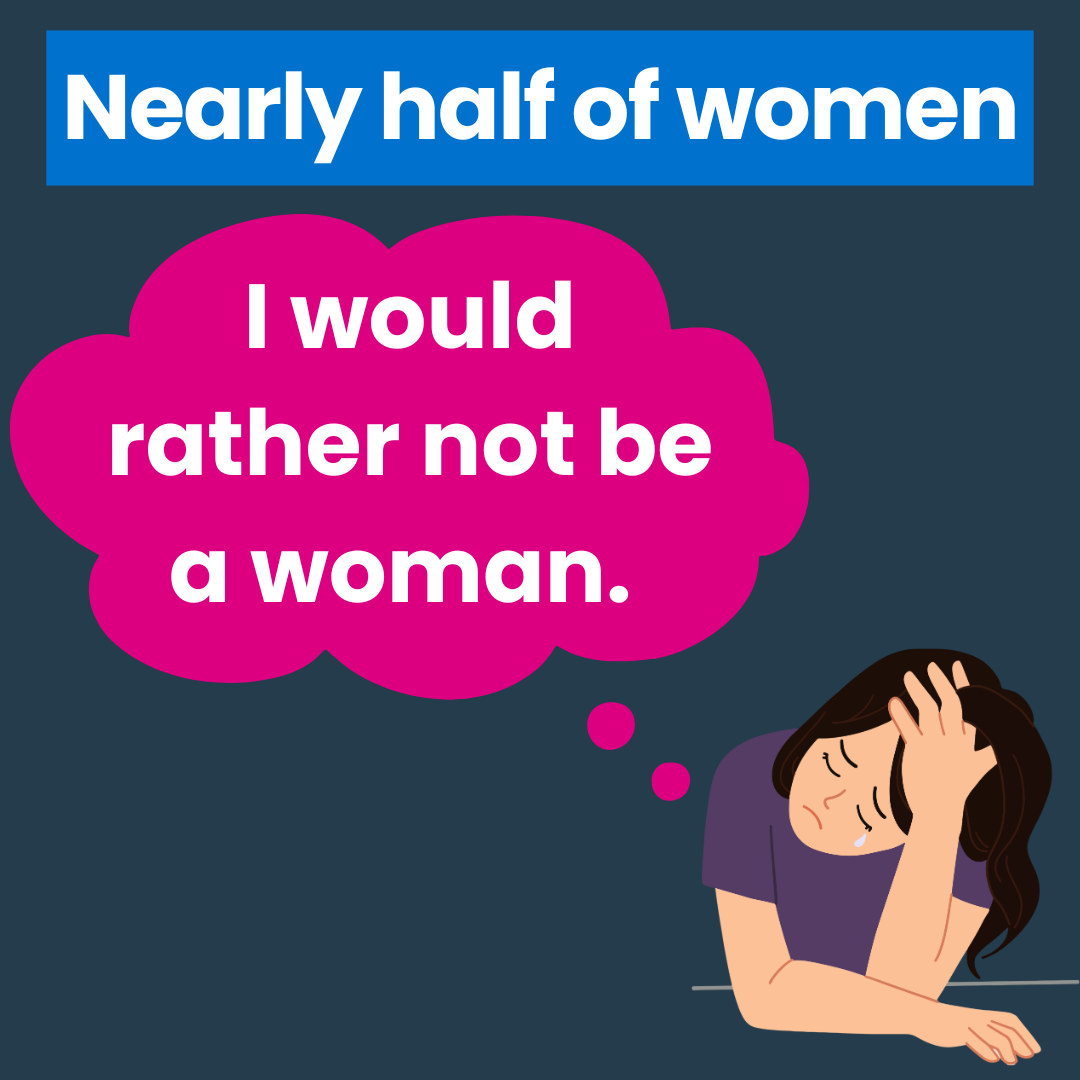
Nearly half of the respondents (49.6%) agreed that they found menstruation troublesome and would rather not be a woman.
Click to view the full Executive Summary
Girl’s Menstrual Struggles in Hong Kong
Menstrual poverty is not uncommon in Hong Kong. For underprivileged girls and women, menstruation is not only a physical challenge—it also brings financial stress, emotional burden, and social stigma.
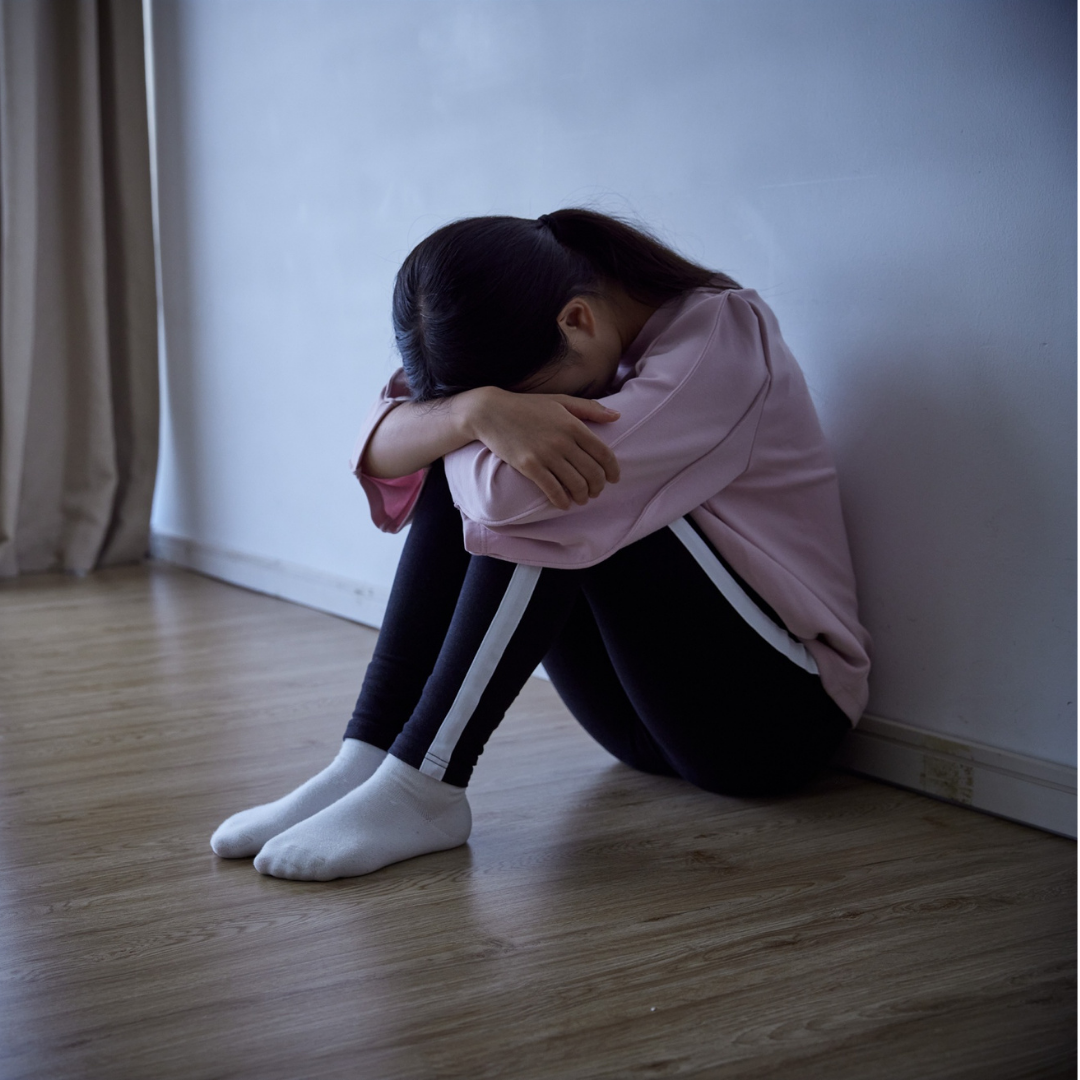
Shan (pseudonym) is a girl from an underprivileged family living with several female family members. For her, purchasing sanitary pads is a heavy economic burden. She shared that “sanitary pads are expensive; we can only barely afford them.” In order to save money, her mother requested that she only use daytime pads. However, due to her heavy flow, frequent leaks make her embarrassed, forcing her to switch to night-time pads without her mother’s permission.
Unfortunately, her school also fails to provide adequate support. There is a lack of sanitary supplies, and the restroom conditions are poor and lack privacy. Every time she needs to change her pad, she feels anxious and uneasy. Even worse, Shan has been stopped by her teacher when urgently needing to change her pad during class, the teacher even reprimanded her in front of her peers, which has left her feeling deeply humiliated.
Yan (pseudonym) is also from an underprivileged family. To save money, she has to resort to purchasing low-cost sanitary pads through the Taobao online platform, “a few packs only cost thirty dollars and can last two or three months.” Due to financial constraints, these cheap products, which lack guaranteed quality, have become her only option.
Besides, the restrooms at her school also lack basic sanitary facilities, “the stalls are stained with blood, but there are no tissues to clean them…” This makes her feel embarrassed and helpless. Yan often experiences dizziness during her period, but she cannot afford to seek medical help. Each moment of pain and anxiety is something she must silently endure, without receiving the care and support she deserves.
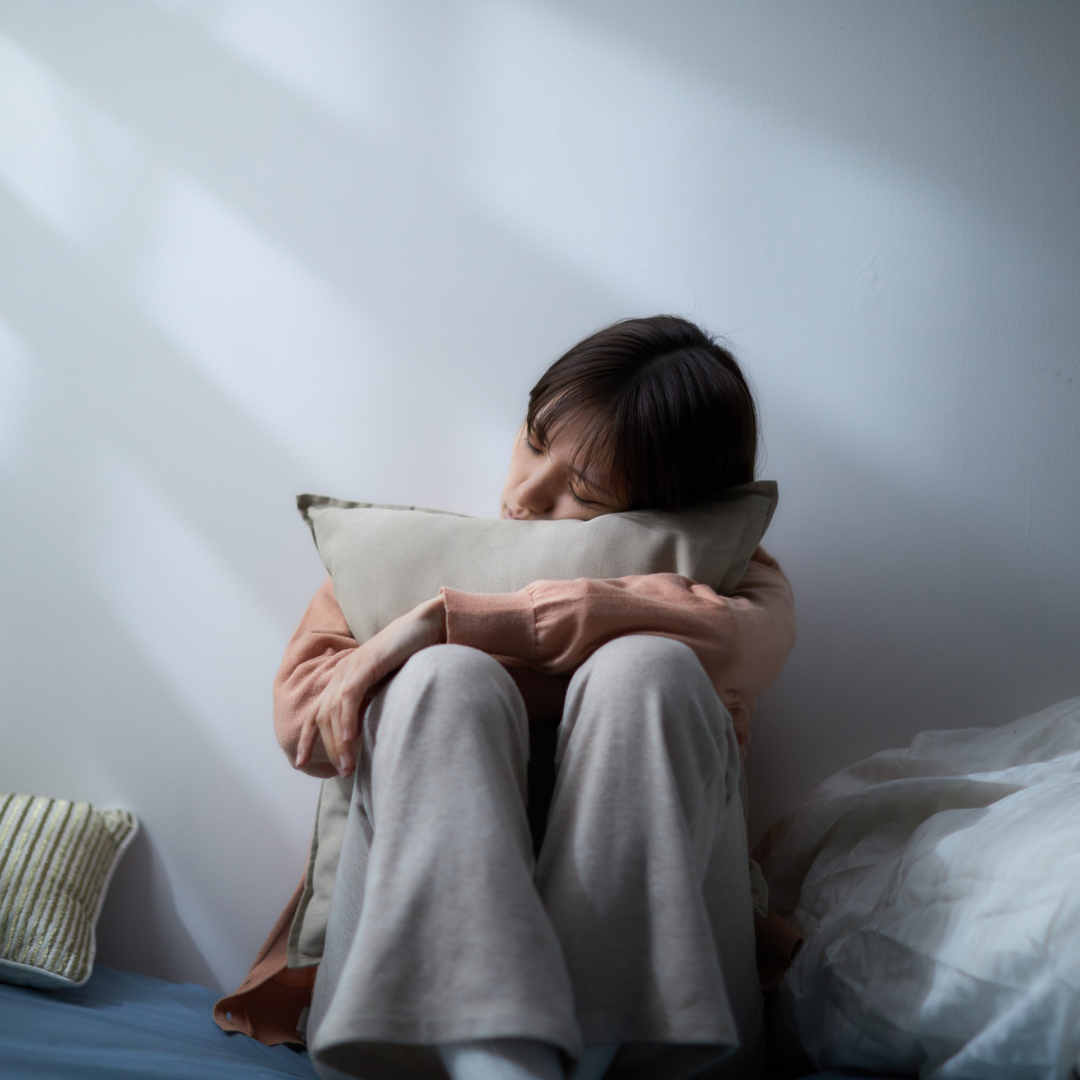
* Images are for reference only and do not depict the actual individual.
You can support underprivileged girls in Hong Kong with one-off donation:
*Thanks to discounts by suppliers and gift-in-kind from vendors, in addition to providing girls with sanitary pads and menstrual health tips, the team will also offer a variety of services, including regular workshops and related seminars for the beneficiaries.

- Donate HK$250: Provide a menstrual health kit for one girl (including a 3-month supply of sanitary pads and Menstrual Health Tips), while also empowering her through activities and seminars to develop accurate knowledge and understanding of menstruation and health.
- Donate HK$500: Provide a menstrual health kit for two girls (including a 3-month supply of sanitary pads and Menstrual Health Tips), while also empowering her through activities and seminars to develop accurate knowledge and understanding of menstruation and health.
- Donate HK$1,000: Provide a menstrual health kit for two girls (including a 6-month supply of sanitary pads and Menstrual Health Tips), while also empowering her through activities and seminars to develop accurate knowledge and understanding of menstruation and health.
Donate Now and Safeguard Girls’ Health!
One-off donation
Remarks:
- Each girl will receive 28 sanitary pads per month, including both day and night use, to ensure proper menstrual hygiene and dignity.
- The donation amount covers the procurement of sanitary products, the production of health education materials, as well as necessary transportation and other basic logistical expenses. When sourcing sanitary products, we follow established guidelines to select the most suitable suppliers, ensuring the products are of good quality. Furthermore, Plan International Hong Kong will not deduct any administrative fees from this project, ensuring that every dollar donated achieves its maximum impact and helps more girls in need.

Plan with Children Monthly Donation
With just HK$2 a day: Create a better environment for children/girls in Hong Kong and developing countries, and let children and girls grow healthily and happily
HK$2 a day Change Children’s Lives
Acknowledgements (In alphabetical Order)
Research Team

- Dr FOK Yuen Hung Doris, Assistant Professor, Felizberta Lo Padilla Tong School of Social Sciences, Saint Francis University
- Dr FUNG Ka Yi, Assistant Professor, Felizberta Lo Padilla Tong School of Social Sciences, Saint Francis University
Advisors
- Dr Anita CHAN Kit Wa, Associate Professor Department of Social Sciences and Policy Studies (SSPS), The Education University of Hong Kong
- Dr Sandra TSANG K.M., JP, Honorary Associate Professor Department of Social Work and Social Administration, The University of Hong Kong
- Dr Norah WANG, Assistant Professor (Social Design) of the School of Design, Hong Kong Polytechnic University
Supporting Organisations

Research Sponsor

This research was partially supported by Kotex Hong Kong. The research team was responsible for all aspects of the study, and the opinions and findings expressed herein are those of the authors alone.