
Child Centred Community Development
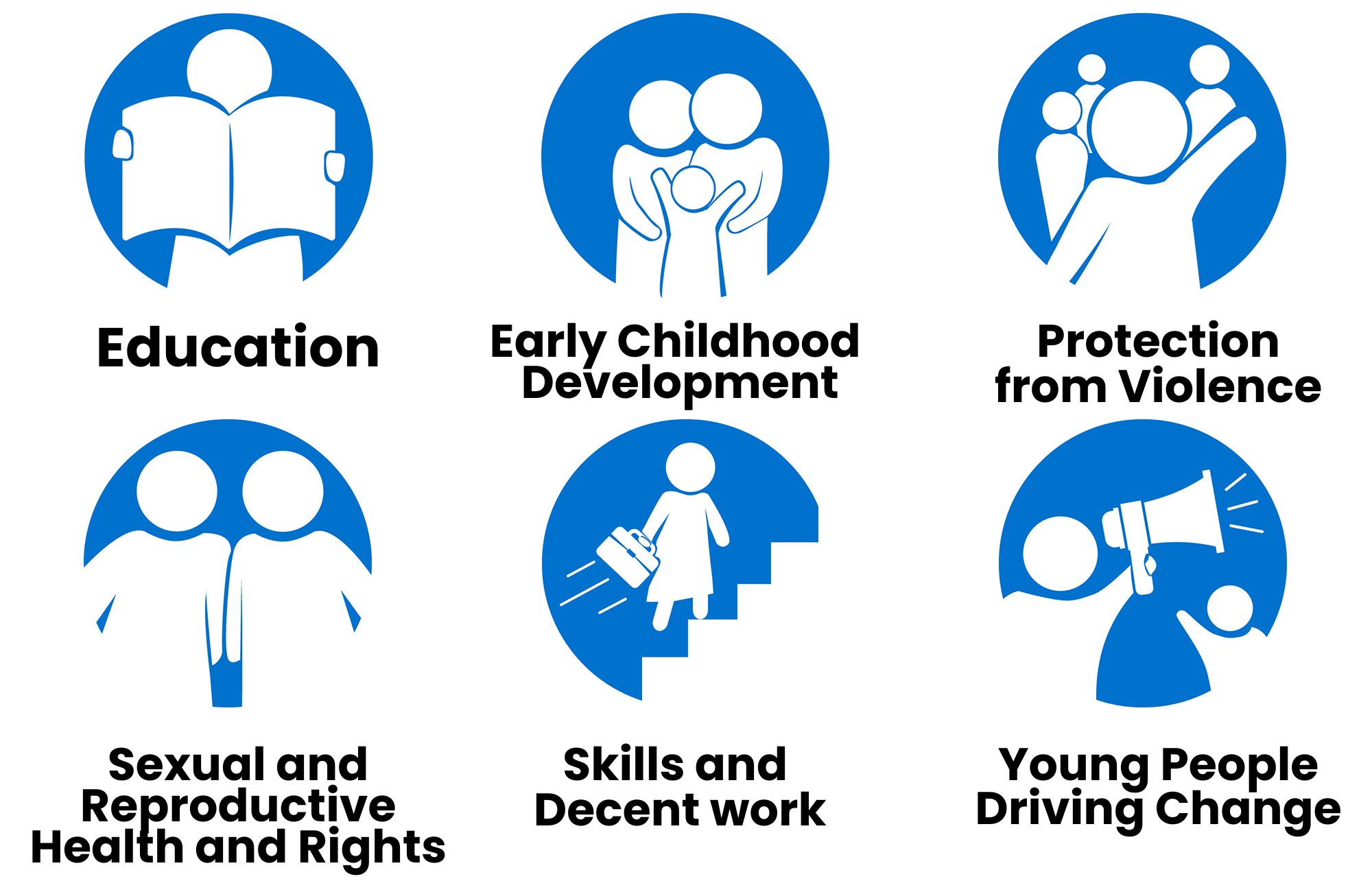
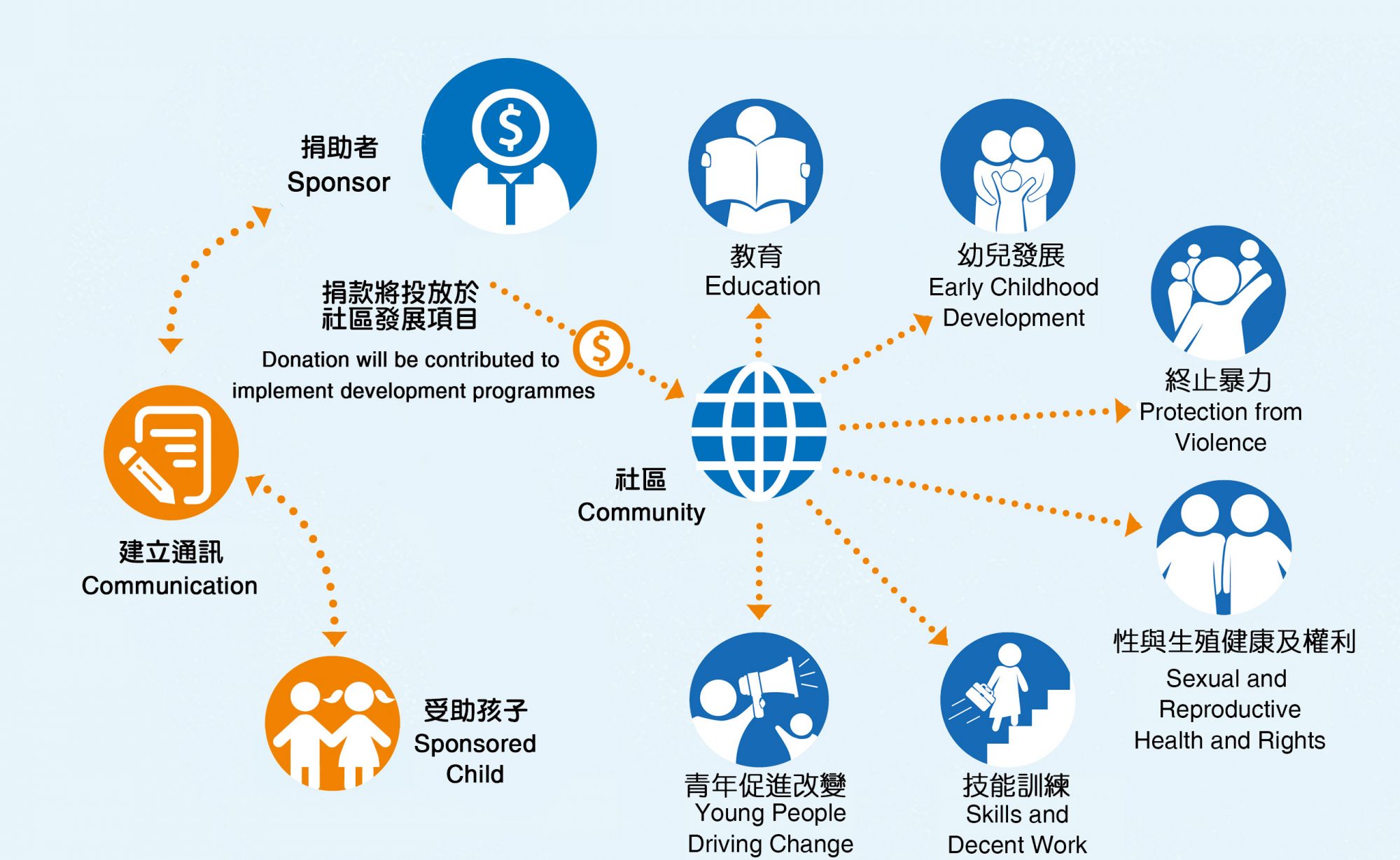
With a charitable donation of just HK$8 a day, Child Sponsorship Programme assures that you will be supporting the children and even their family and community in six main areas including education, early childhood development, protection from violence, sexual and reproductive health and rights, skills and decent work and young people driving change. The programme also aims to improve their quality of life as a whole so they can move out of poverty and attain self-reliance.
How does your donation help the children and their community?
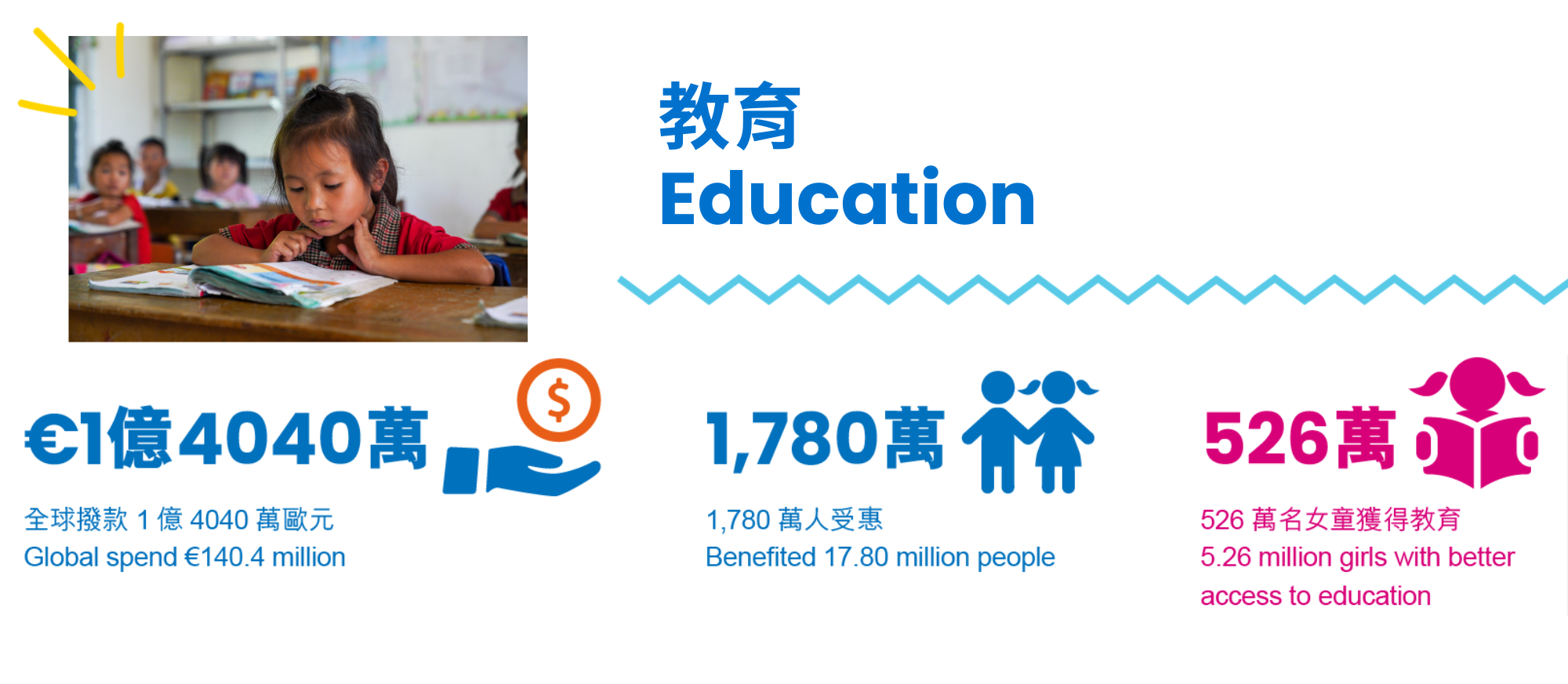
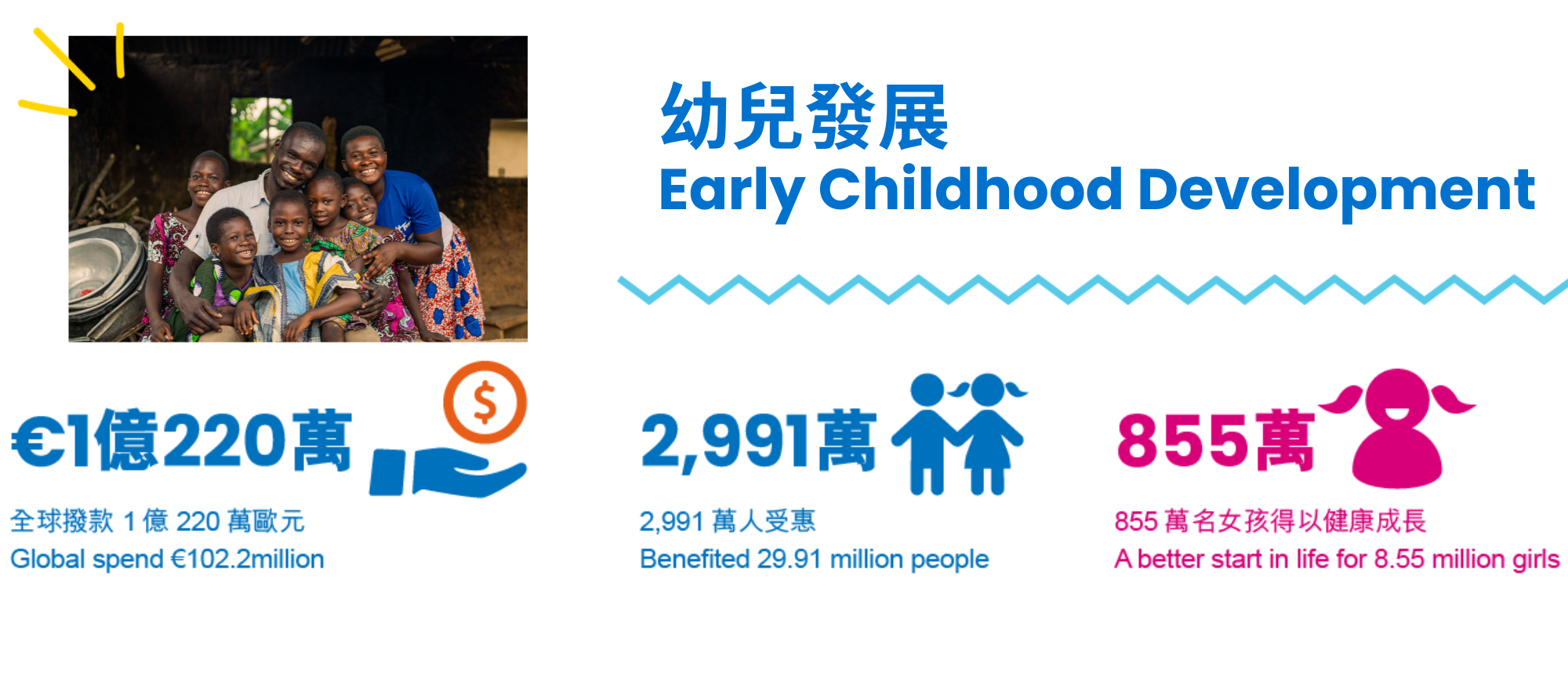
(*2024 Global Figures)
Learn More
• Implemented the “Teaching at the Right Level” approach in Nigeria, tailoring instruction based on children’s learning abilities rather than their age, significantly enhanced the reading comprehension and basic math skills of 45,000 students
• Established “Baba Clubs” in Uganda to strengthen the relationships between fathers, schools, and children through engagement in monthly meetings, school construction, and participation in school activities, supporting over 5,000 students in returning to school
• Established friendly learning spaces in schools in Moldova to provide homework support, interactive games, and extracurricular activities for Ukrainian refugee children, allowing them to interact with local students and facilitating their integration into the new learning environment
• Supported schools in establishing disaster risk management committees in Bangladesh, involving teachers and students in risk assessment and the development of risk reduction plans, significantly increasing student return rates after natural disasters
Learn More
• Implemented learning through play in early childhood care and education centers in Uganda to strengthen the quality of education, enabling 60,000 children aged 3 to 6 to enjoy learning in school
• Improved community sanitation facilities and health services, along with food and nutrition support for mothers, infants, and adolescents in Ethiopia, aim to address the issue of child stunting, with the goal of reaching 400,000 people
• Enhanced access to early childhood education (ECE) in Cambodia, Laos, and Tanzania for disadvantaged children aged 3 to 6 aims to develop their language skills, emotional expression, and self-care abilities, increasing their enrolment rates in primary school
Learn More
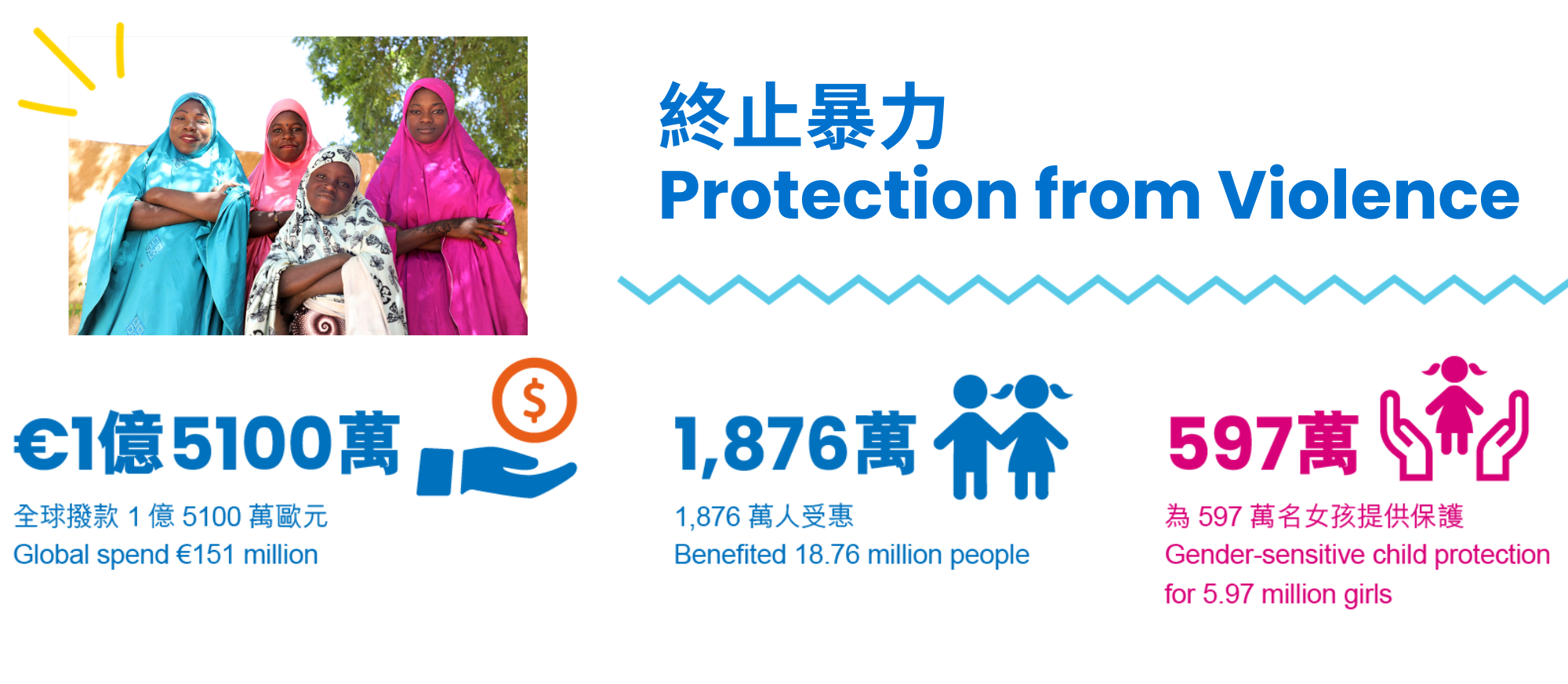
• Established a girl-led steering committee in Niger that collaborates with community leaders and village child protection committees to monitor, address, and negotiate cases of early marriage within their communities
• Trained 366,474 community members and volunteers, and 25,714 staff in partner organisations and institutions in child protection worldwide
• Carried out advocacy to secure increased budget allocations from the government to support girls’ empowerment and help expand the Gender-Based Violence Management Information System, protecting girls from gender-based violence in Liberia
Learn More
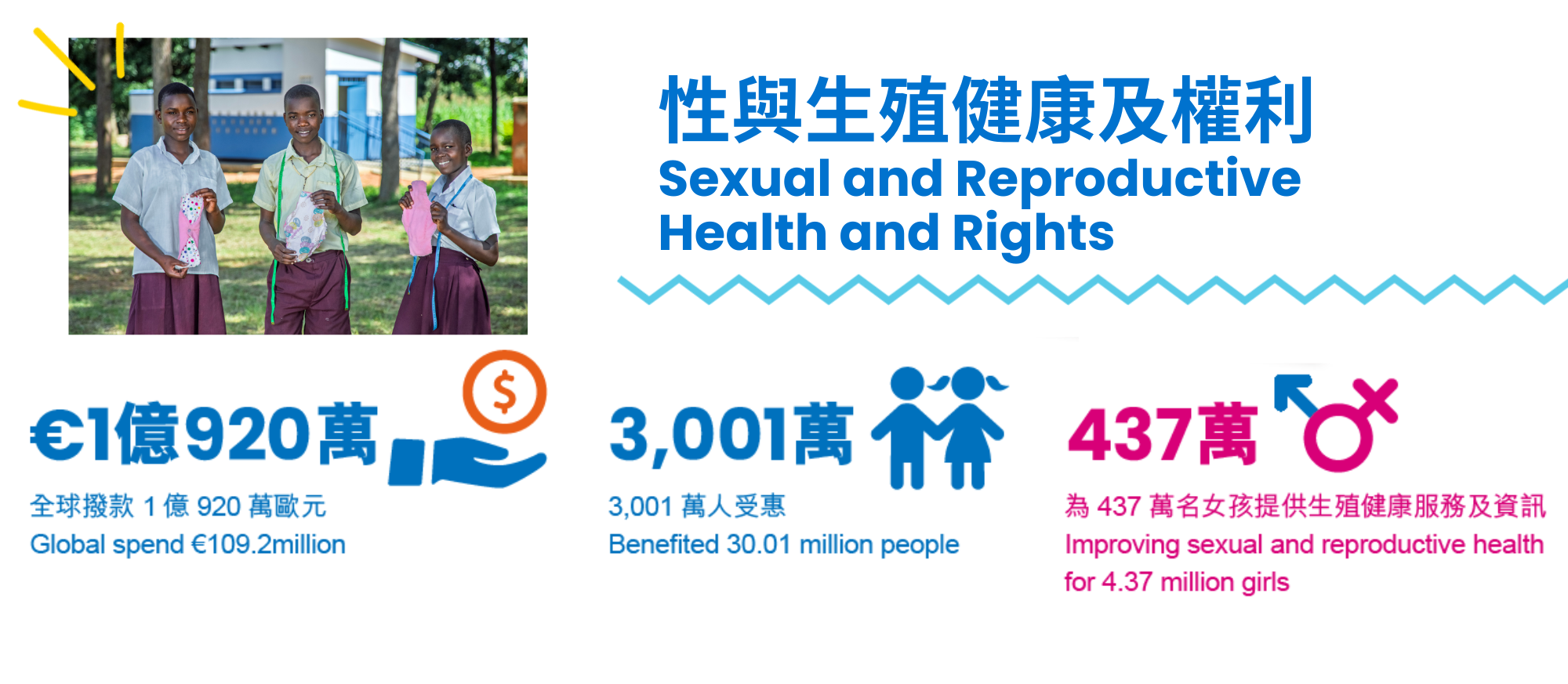
• Enhanced 16,832 adolescents’ and youth awareness of sexual and reproductive health and rights (SRHR) and protection rights in Colombia, Ecuador, and Peru, and distributed menstrual health and hygiene kits to 6,469 girls
• Engaged men and boys to support women’s sexual and reproductive health and rights, including engaging 298 men to educate 24,204 boys in Togo about respecting females and the knowledge of contraceptive methods through discussions
• Provided sexual and reproductive health education and services to 5,535 youth aged 10 to 24 in 30 safe spaces in schools to help prevent early pregnancy and sexual violence in Rwanda
• Promoted the use of menstrual cups among girls in Uganda, to assist girls in facing period poverty, the percentage of girls who managed to stay in school during menstruation increased from 57.5% to 86.36%
Learn More
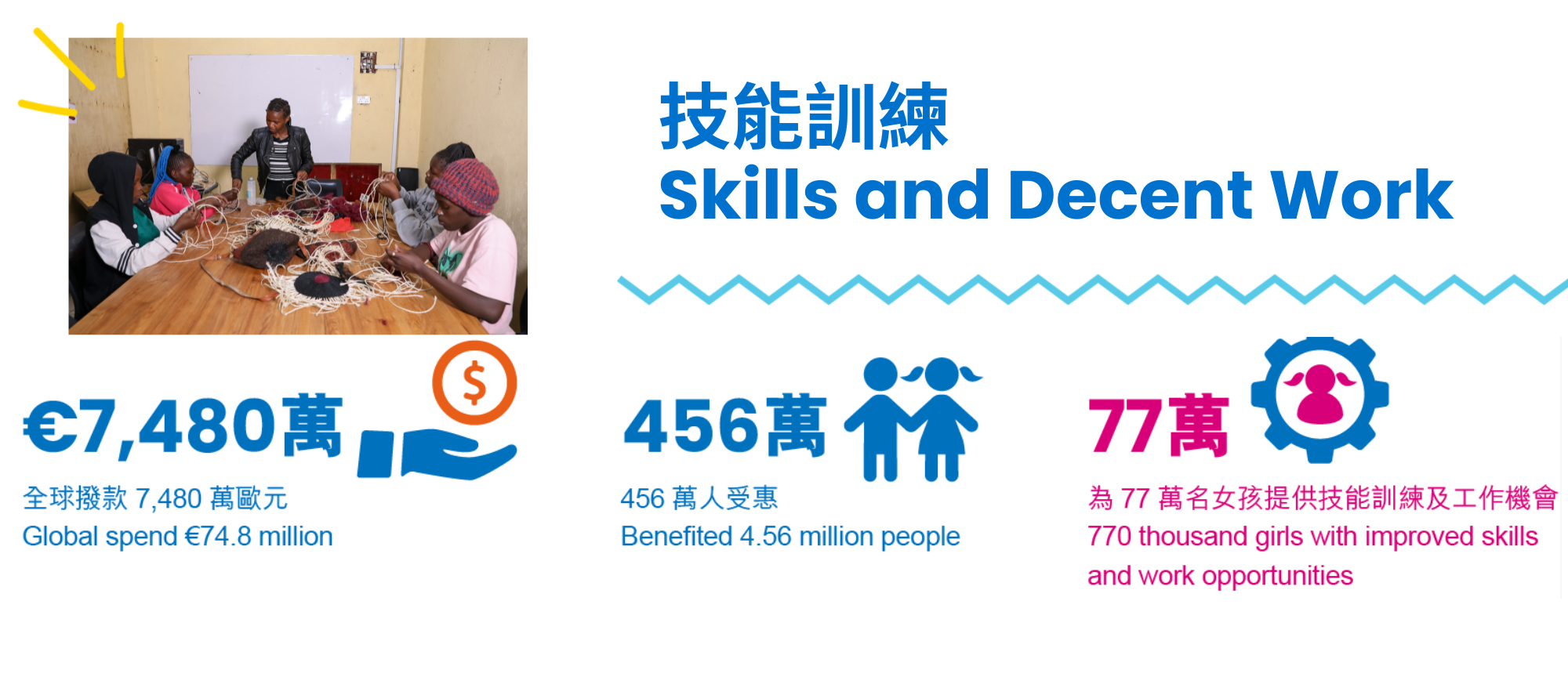
• Supported women in establishing sustainable businesses to tackle the climate crisis, including training women in Kenya in entrepreneurship skills and assisted them in recycling synthetic hair braids into handbags and accessories, building economic capacity and enhancing their social status
• Engaged with ministries and financial institutions in Egypt to provide entrepreneurial support for women and young entrepreneurs from disadvantaged areas, including networking opportunities, financial mentorship, and assistance with business expansion, helping them achieve economic independence
• Strengthened youth employment in Vietnam by providing students with career-oriented courses to help them understand labour market demands and explore future career development
• Supported youth agropastoral entrepreneurship in Cameroon by offering blended financing and education, leading to improved food security and income growth
Learn More
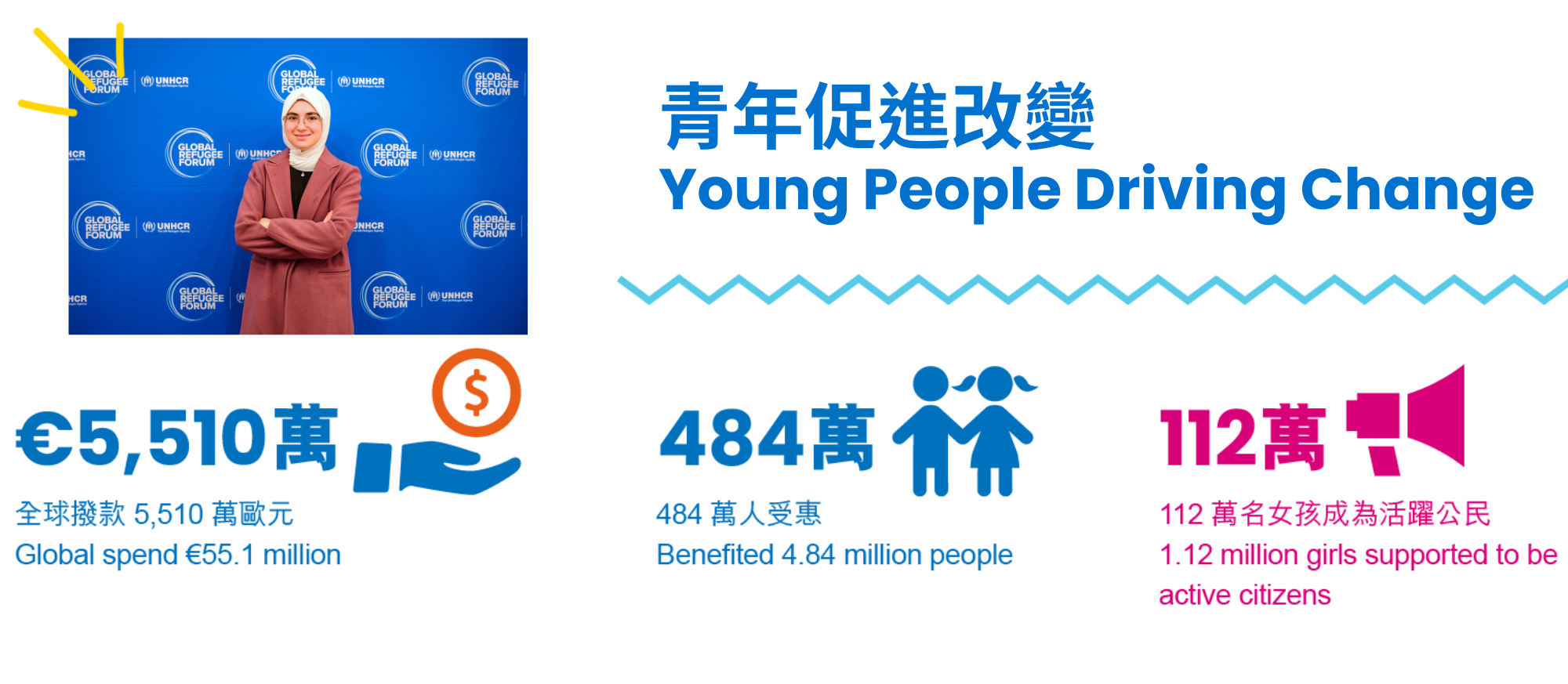
• Strengthened youth citizenship, promoted Syrian youth refugee’s voice in the International Refugee Forum, contributing over 200 pledges for advancing children rights
• Promoted youth participation in social affairs by collaborating with 2,531 youth organizations and groups worldwide
• Led youth-driven dialogues with the Ministry of Health in Timor-Leste, successfully advocating for family planning policies that reduced teenage pregnancies and supported young mothers in returning to school
• Prepared young people to become active drivers of change through participating in leadership and youth-led projects in Ecuador, addressing critical issues such as teenage pregnancy and sexual violence
Renaming the Chinese name of Child Sponsorship Programme
To enhance the public’s understanding of the programme, Plan International Hong Kong is now renaming the Chinese name of the Child Sponsorship Programme, from “助養兒童計劃” to “培幼兒童成長計劃”, while all English names remain unchanged. For details, please click here.
Start Your Sponsorship Journey
How to connect with your sponsored child?
- Writing to your sponsored child
- Receiving a profile, progress reports of your child and Programme Unit Annual Update.
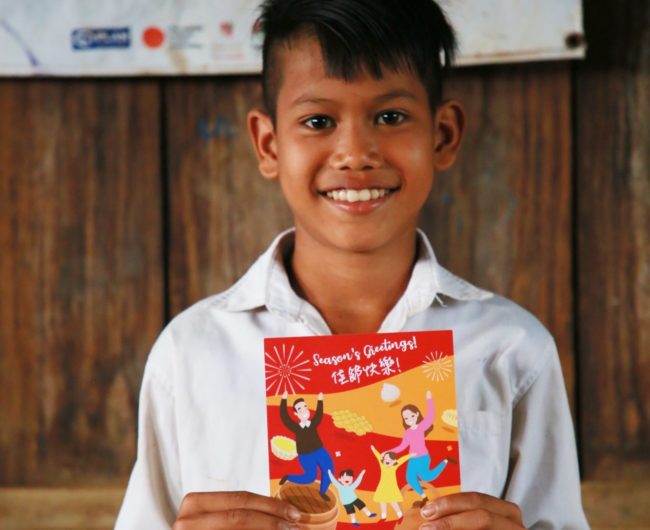
- Sending festive cards to your child
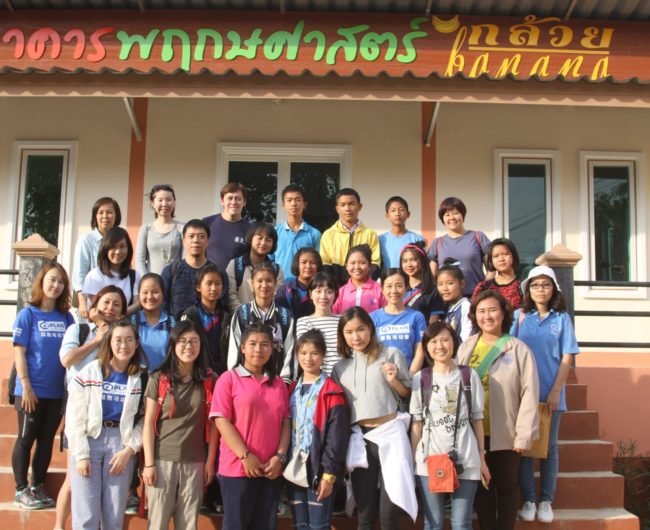
- Sponsor Visits