
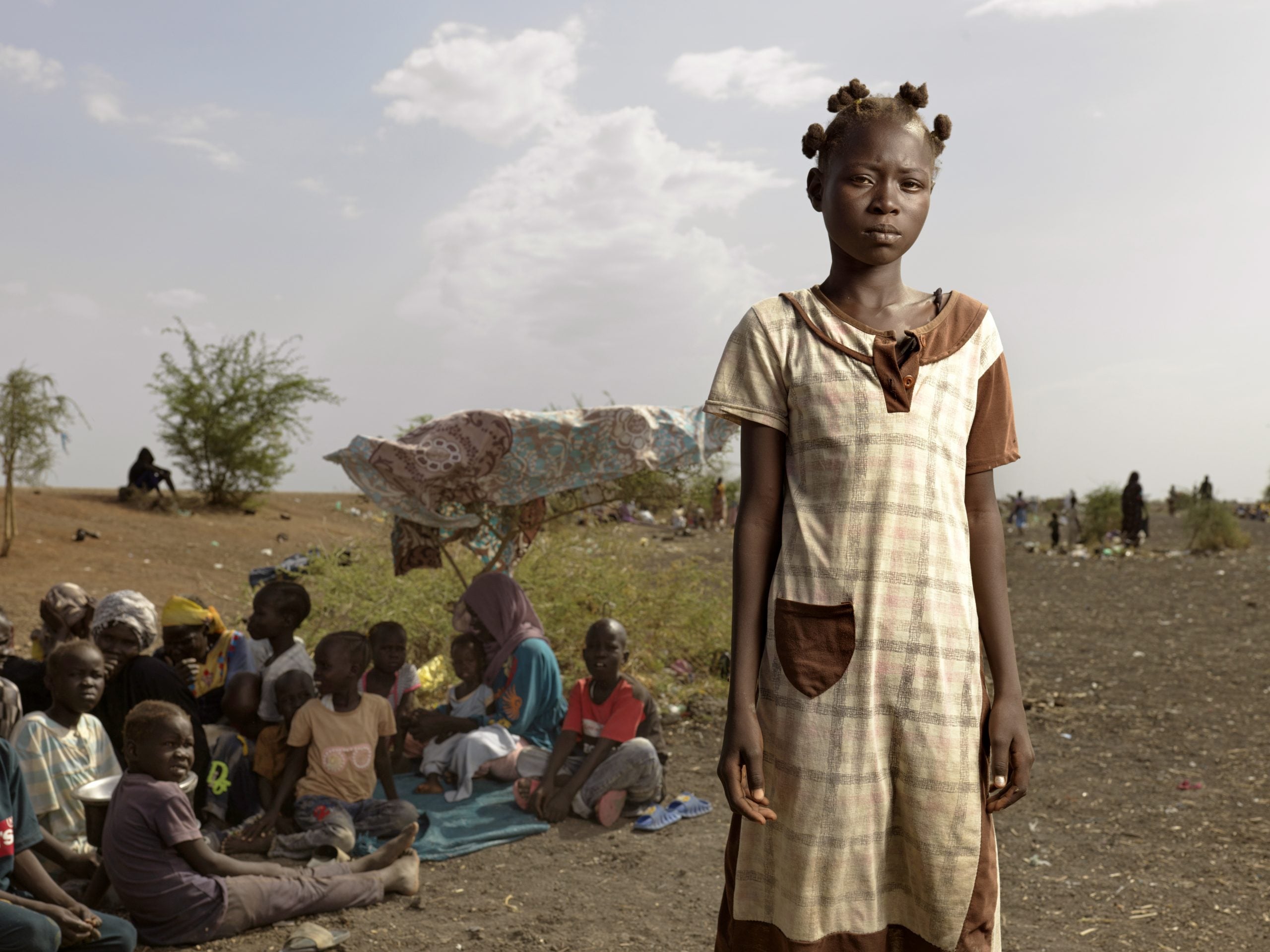
Stolen Futures: Refugee Girls Living Between Fear, Violence, and Lost Education
“Home” should be a safe and comforting refuge for everyone. But when conflicts strike, stability is shattered overnight, and survival becomes the only priority. As conflicts intensify in the Middle East, the Russia–Ukraine war drags on, and famine unfolds in Sudan, the number of forcibly displaced people worldwide is projected to approach 136 million. Behind this staggering figure are countless real lives violently rewritten by conflict.
Every year on 20 June, World Refugee Day, we are reminded to pay attention to those struggling in the shadows—especially refugee girls, who are caught between life-threatening danger, loss of education, and gender-based violence. In a reality where they have nowhere to call home, education becomes the only hope they can hold onto.
Escalating Conflicts Drive an Unprecedented Refugee Crisis
Amid mounting global geopolitical tensions, the United Nations estimates that by the end of 2026, the total number of forcibly displaced people may reach 136 million, including around 42.5 million refugees.
A “refugee” is someone forced to flee their country due to war, violence, or persecution and who crosses international borders in search of safety. Once displaced, many face the painful reality of never being able to return, losing not only their homes but also their identity. Survival often depends on humanitarian aid, while access to education, healthcare, and employment remains severely limited—leaving their futures uncertain.
Rohingya Girl Endures Sexual Violence During Escape
For girls fleeing conflict, the journey to safety is fraught not only with violence but also the constant threat of sexual abuse. According to UNHCR, over 60 million displaced women and girls worldwide face heightened risks of gender-based violence. Within refugee camps where security is fragile, risks of trafficking, sexual exploitation, and child marriage rise sharply.
In Bangladesh, refugee camps now host over 1.2 million Rohingya refugees from Myanmar. Kamila * (pseudonym), just 16 at the time of the 2017 conflict, witnessed the brutal killing of 35 family members. Forced to flee alone, she walked over 160 kilometres to reach Bangladesh—only to suffer sexual violence along the way. Today, although she has reunited with her husband in the camp, her young daughter went missing during the chaos and remains untraceable. The trauma of war, sexual violence, and the loss of her child have left wounds that may never heal. With the support of her husband and sister, Kamina struggles to hold on day by day.
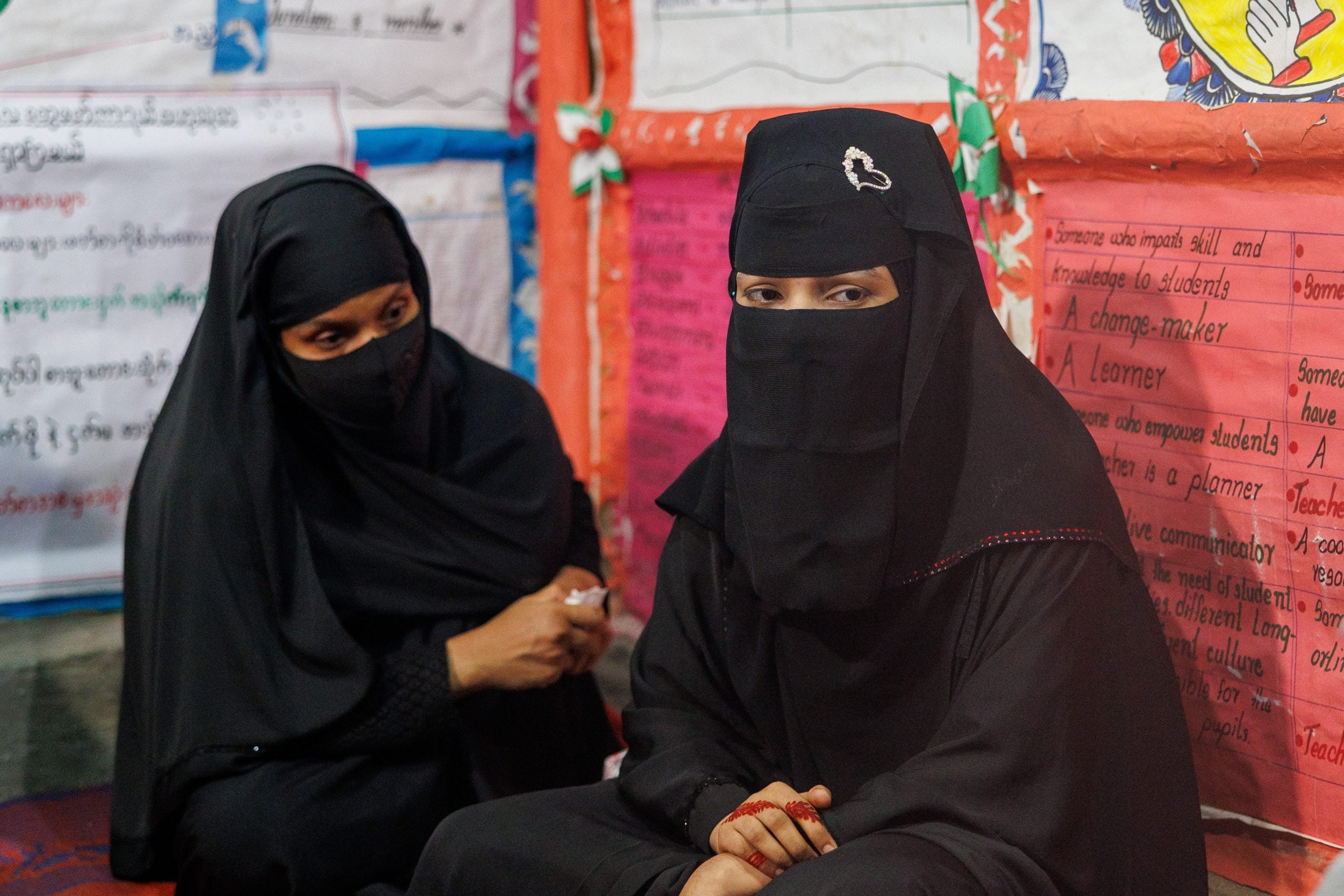 |
| Due to severe trauma, Kamila is unable to speak about her experiences herself and relies on her sister Halina to tell her story. |
Gaza Girl Finds Hope in Learning After Witnessing Violence
When indiscriminate shelling destroys schools, displaced children lose both their childhood and their chance to learn. According to UNESCO, 48% of refugee children are out of school globally.
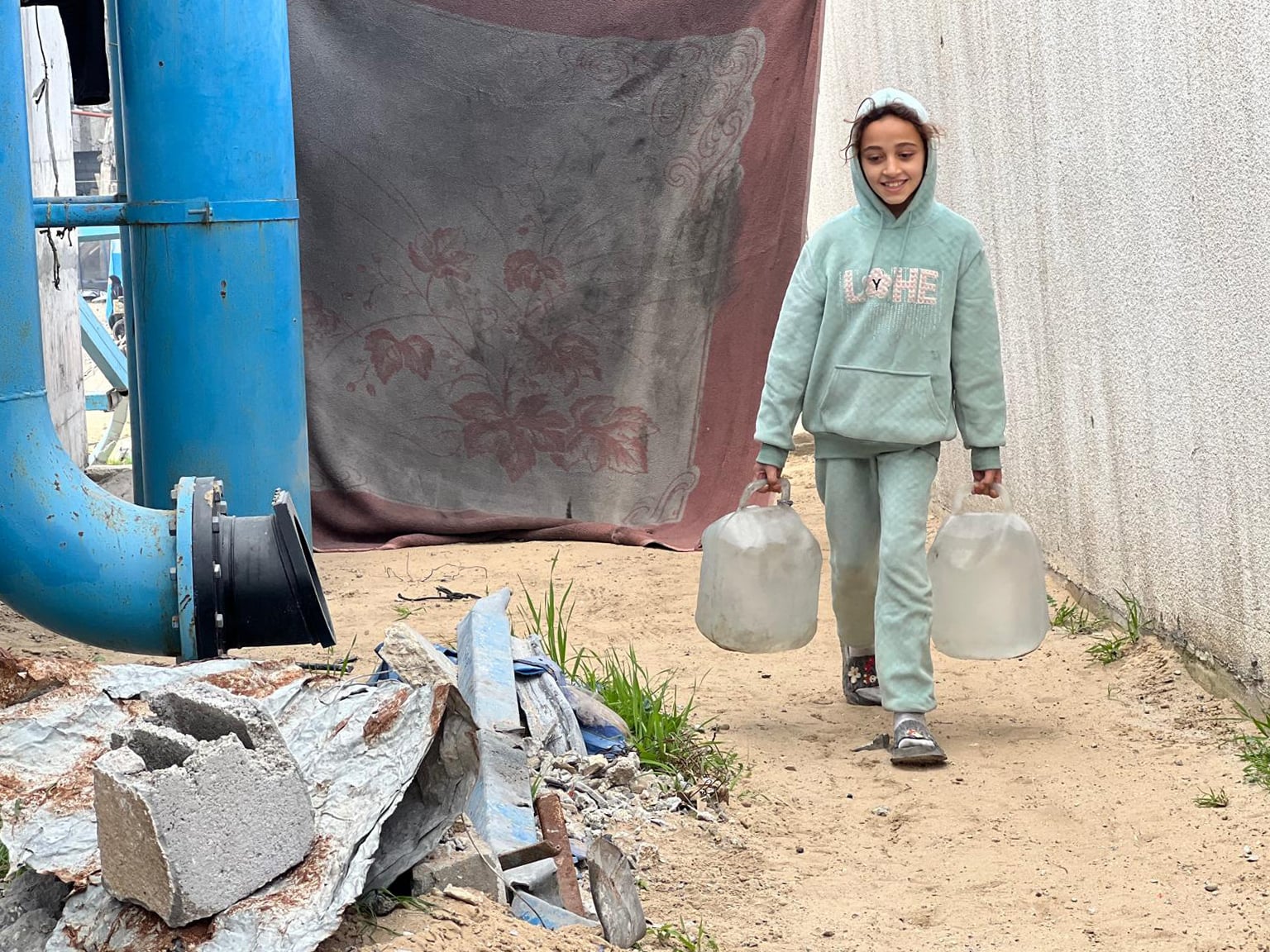
“I will never forget the sound. A bullet hit my brother, and he became paralysed.” Farah, an 11-year-old girl from Gaza, continues to live under the shadow of war. She shares a cramped tent with 11 family members, enduring extreme heat in the summer and freezing conditions in winter, while struggling daily for food and water.
With support from Plan International and local partners, Farah has finally been able to return to learning—bringing light into her darkest days. “I’m happy because I love learning. We need schools just like children anywhere else in the world.” Despite severe shortages—no textbooks, and even pencils are a luxury—she clings tightly to hope: “I want to become a teacher, so other children can learn too.”
 |
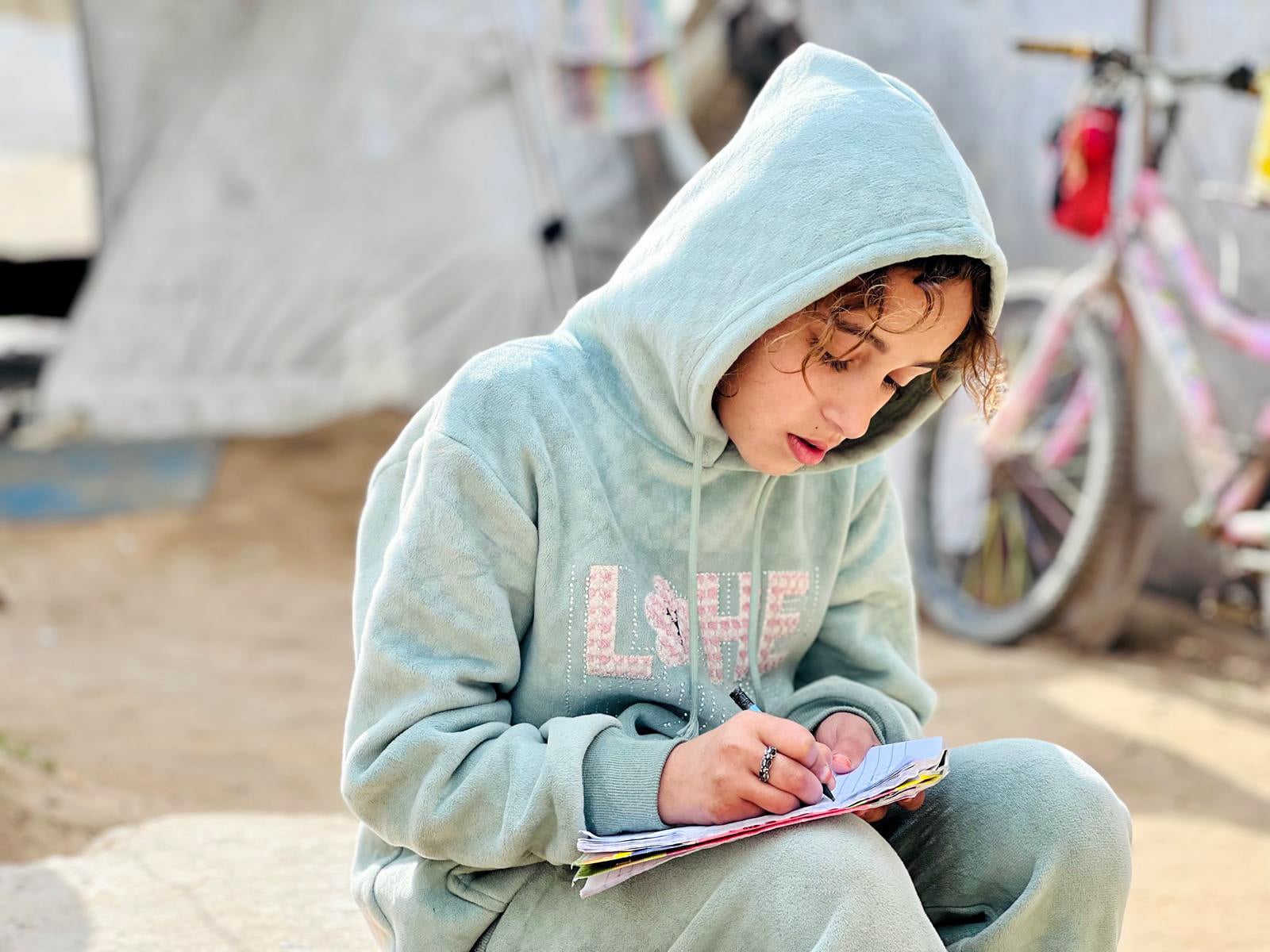 |
| Each morning, Farah queues for water, carrying eight litres back to her tent. After preparing food for her younger siblings and completing household chores, she finally finds a moment to read and write. | |
Sudanese Girl Faces Period Poverty Amid Conflicts and Loss
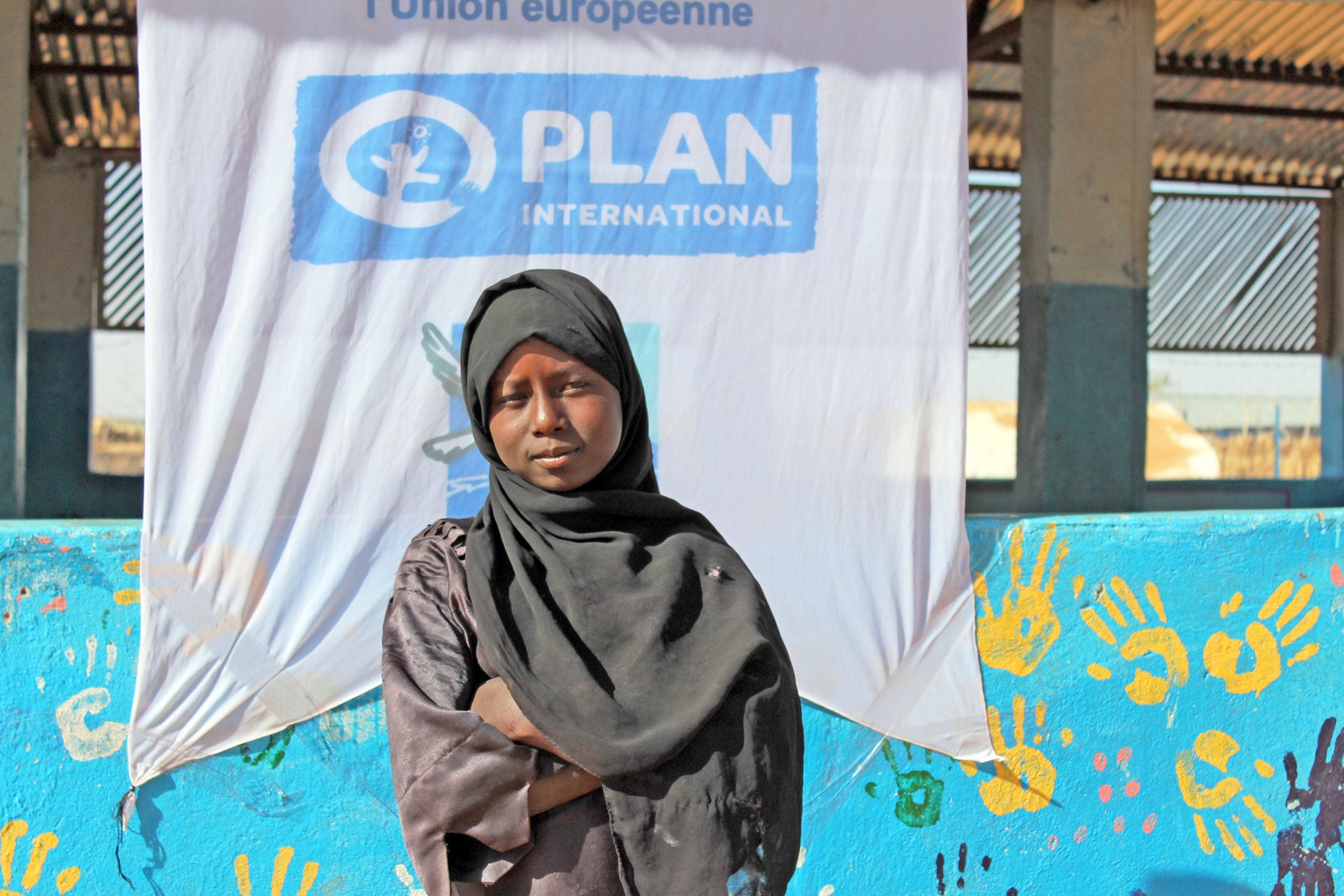
In refugee camps where resources are critically scarce, girls face not only hunger and insecurity but also period poverty. Fourteen-year-old Kosrs lost her father in the conflict and fled Sudan with her family to Chad. Theft is common in the camp, leaving her in constant fear. A few months ago, she experienced her first period—but without access to basic hygiene supplies, puberty became an added burden during an already traumatic time.
In the face of grief and uncertainty, a child-friendly space established by Plan International became her refuge. There, she receives psychosocial support and can safely share her fears and trauma. “At this place, everyone shares their feelings. It helps me forget the past, even just for a while,” she says. Now attending school in the camp, she holds firmly to her dream of becoming a doctor—hoping to heal not only herself but others in need.
 |
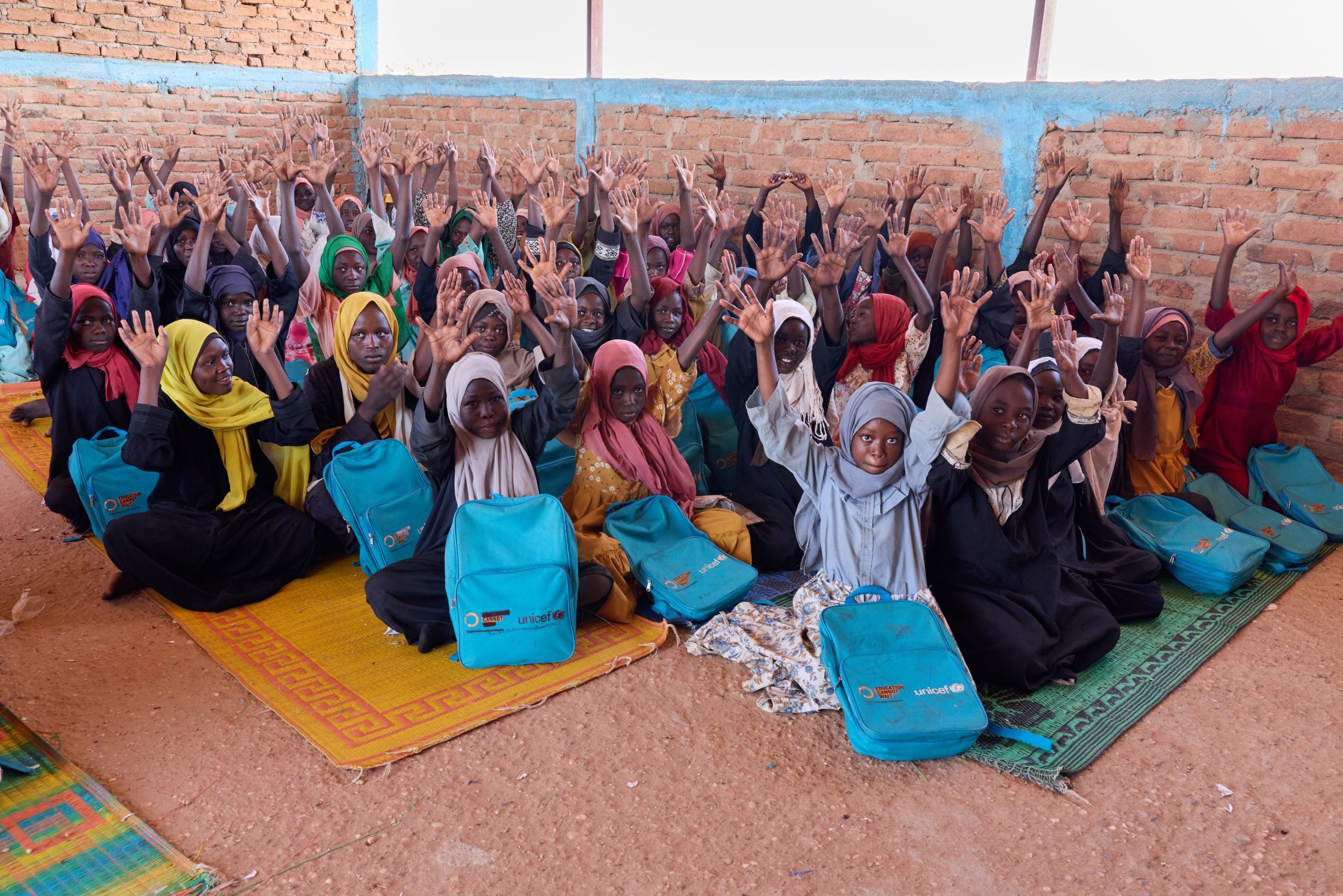 |
| Kosrs still carries the deep pain of losing her father, but through the Girls’ Safe Space in the camp, she is able to share her feelings with peers and find moments of comfort. With this support, she has regained her confidence and continues to pursue her dream of becoming a doctor. | |
Supporting Refugee Girls to Rebuild Hope and the Future
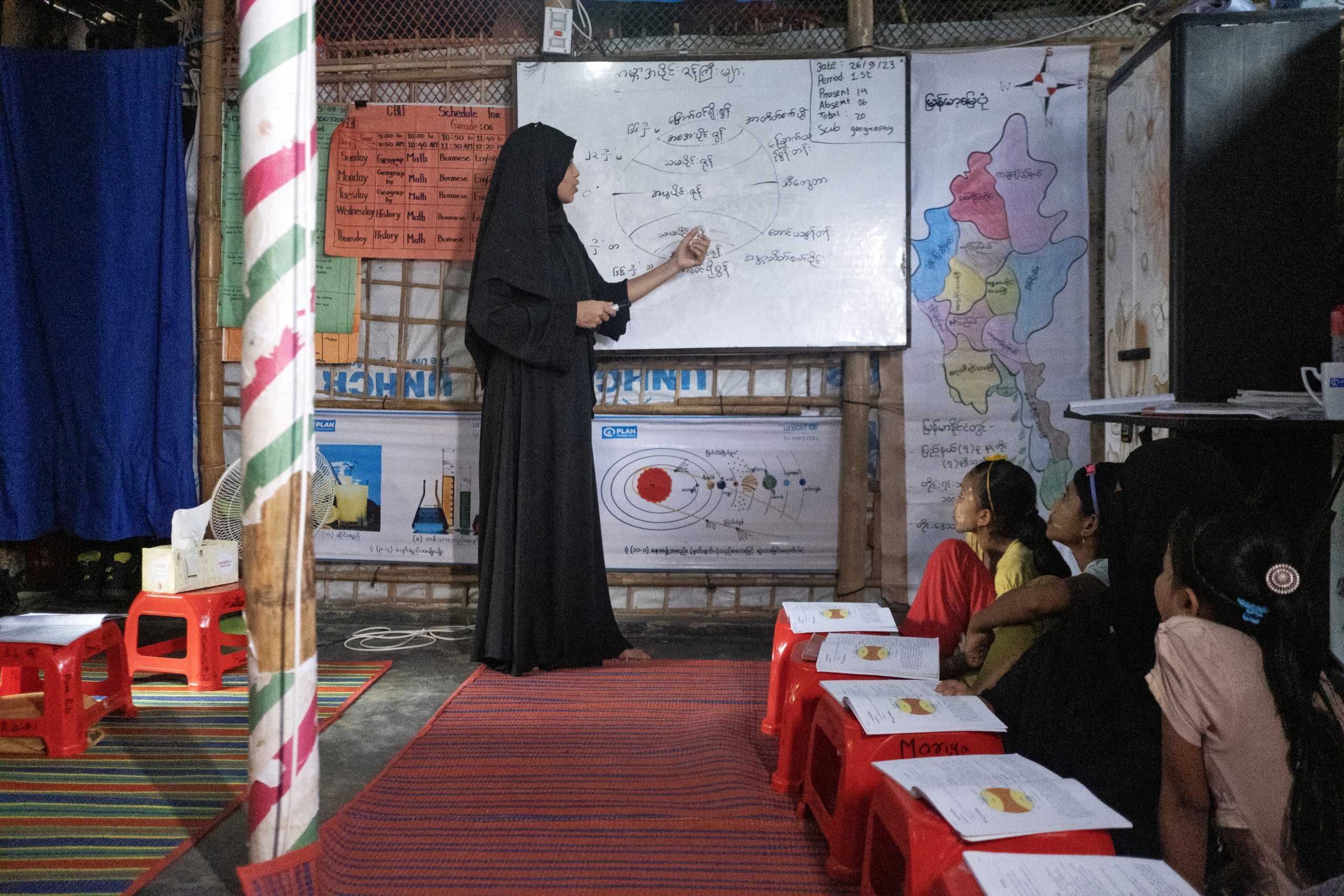
As conflicts continue to spread, humanitarian funding gaps are widening, making relief efforts increasingly difficult. In such instability, refugee girls’ futures are at grave risk. In 2025, Plan International implemented 73 emergency response programmes, supporting 3.2 million girls affected by disasters and conflict through both immediate and long-term assistance. We continue to work in refugee settings across Bangladesh, Chad, Gaza, and Lebanon, providing essential supplies such as food, clean water, and hygiene items. We also ensure girls’ access to education by setting up temporary learning spaces and providing books and school materials—protecting their right to dream.
Additionally, we distribute dignity kits containing sanitary pads, soap, and essential hygiene items to help girls manage menstruation safely. Through safe spaces in camps, girls learn about their rights and how to protect themselves from risks such as child marriage, sexual violence, and trafficking. Psychosocial support services further help girls recover from trauma and gradually rebuild their sense of self and future.
 |
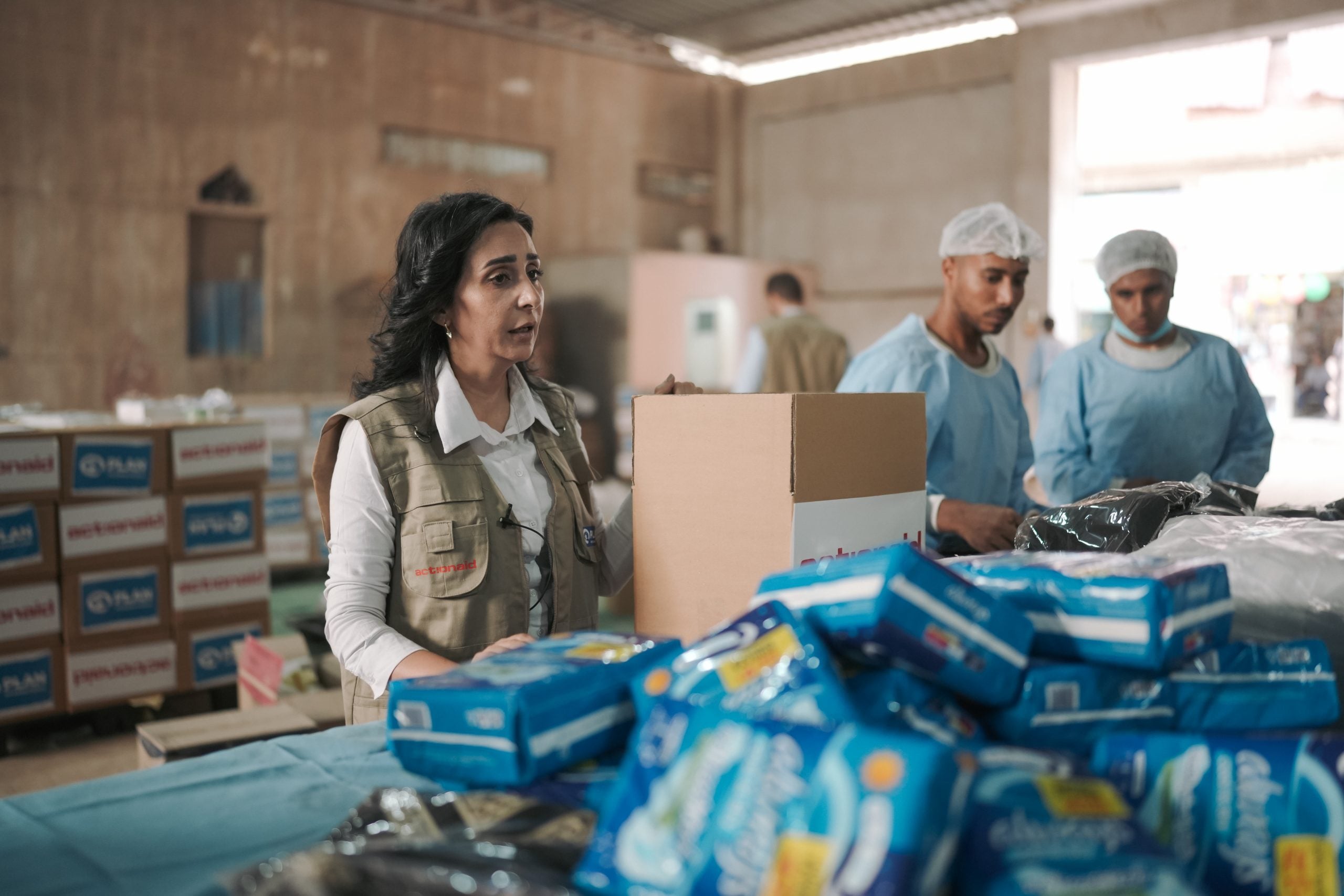 |
| Plan International is committed to providing learning programmes in refugee camps, ensuring that children and girls can continue their education and build knowledge even in times of crisis, preserving hope for their future. | We are acutely aware of the severe shortage of hygiene supplies in refugee camps, which makes it difficult for girls to manage their basic menstrual needs. To safeguard their dignity and health, we provide essential menstrual hygiene items, enabling them to go through their periods with safety and confidence despite the challenges they face. |
Across the world, millions of refugees are struggling to survive amid instability and fear. Plan International once again calls for a comprehensive and lasting ceasefire, so that innocent families and children can regain hope—and reclaim a true “home”: not a temporary shelter, but a place where children can learn without fear, and where women can live free from violence.
