
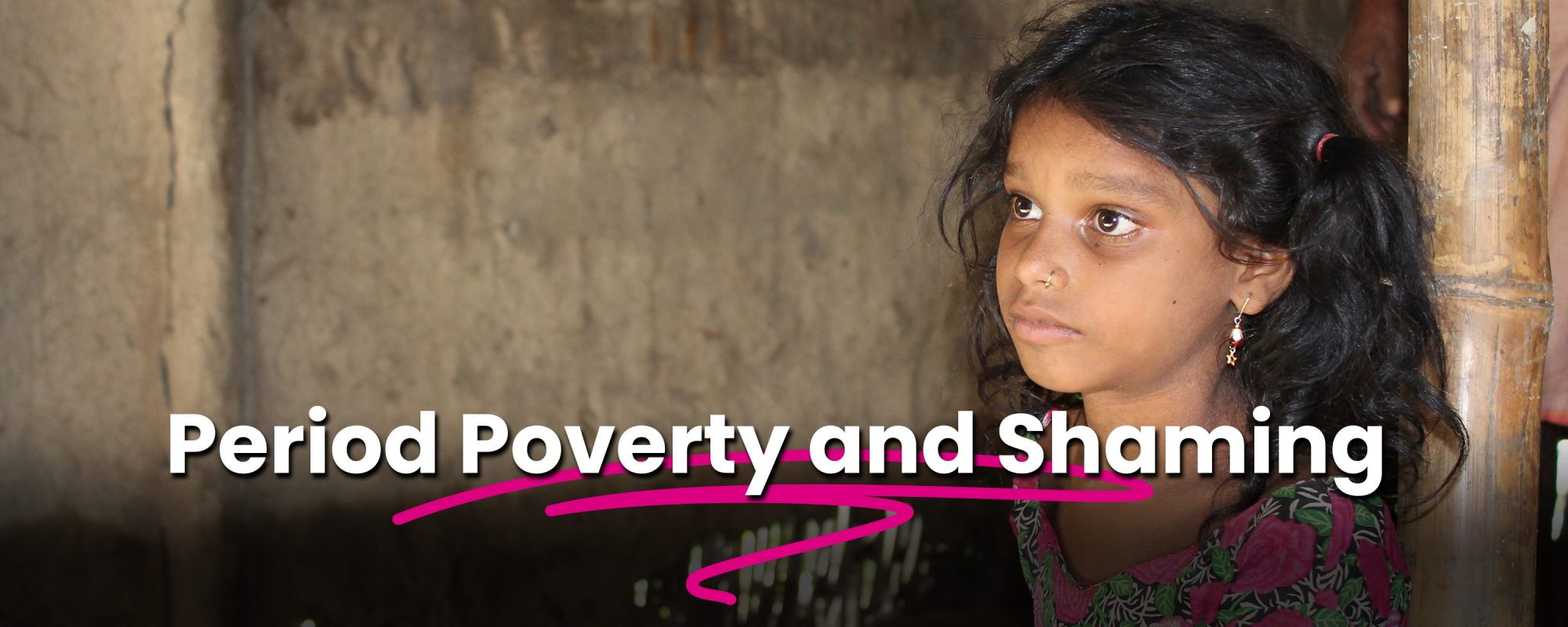
Now being in the 21st century, menstruation is still considered ‘unclean’ and a bad omen in many developing countries. Since society is not comfortable with discussing menstruation, girls would have little to no knowledge about their physiological phenomenon and the stigma around menstruation has a detrimental impact on girls’ health and wellbeing.
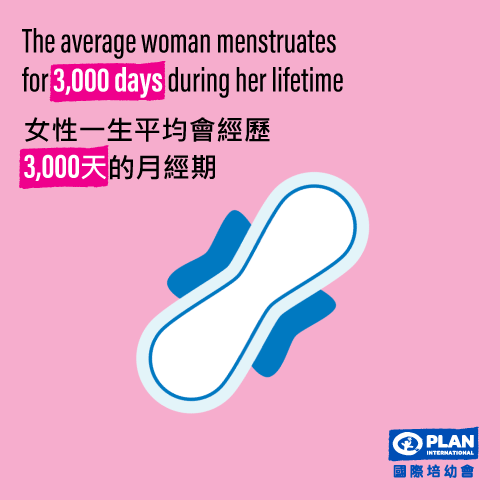
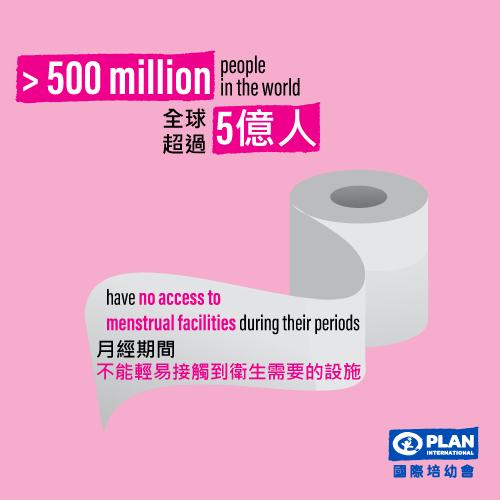
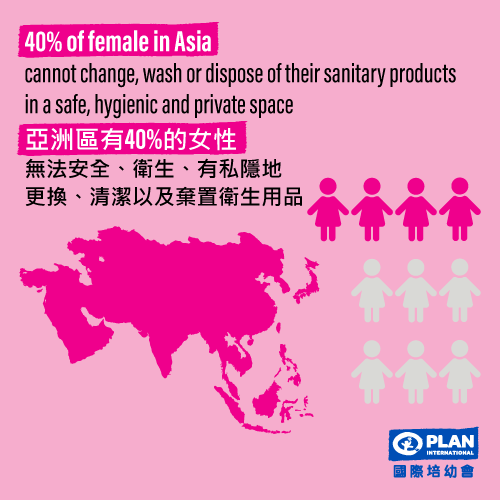
What is Period Poverty?
Period poverty is the situation in which female cannot afford sanitary products and they have to use other substitutes, reduce napkin changing frequency or use nothing. Period poverty also bothers many girls and women in the developed countries such as the UK, South Korea and Japan, while the situation is even worse in resource-strained developing countries. Many can only use old rags, leaves or newspapers instead.
Period poverty shattered girls’ self-esteem and their dreams to thrive by forcing them to drop out of school, suffer from early marriage, teen pregnancy, intergenerational poverty and bacterial infection. It can even claim their lives. Poverty, high sanitary product price, high cost of living and shortages are often seen as the culprits of the issue.
What is Period Shaming?
Period shaming is rooted in gender inequality. Cultural and religious traditions around periods derive from discriminatory, patriarchal norms about a girl’s status and place in society.
As a result, girls and women are often expected to refrain from normal activities, such as bathing or cooking and some even have to be banished from their homes during their periods. These restrictions and discrimination towards menstruation devastate girls’ self-esteem.

Between June and September of 2025, Plan International Hong Kong commissioned Saint Francis University to conduct the first citywide study on the current state of period poverty in Hong Kong. According to the research, financial burden, lack of access to menstrual facilities, poor menstrual health management, and period shaming are the four key challenges in managing menstruation. Click to view the full Executive Summary.
Deeply Rooted Traditions: Chhaupadi
- According to the Nepali traditions, once in a month girls are forced to isolate themselves in ‘menstrual huts’ (Chhaupadi).
- Girls are not allowed to go out, cook or get in touch with the male members of the family.
- They have to stay in the huts alone or sometimes with livestock, at risk of being attacked by wild animals, sexually assaulted, suffering from hypothermia or suffocation.
- The terrible condition in the huts affects the girls’ physical and mental health.
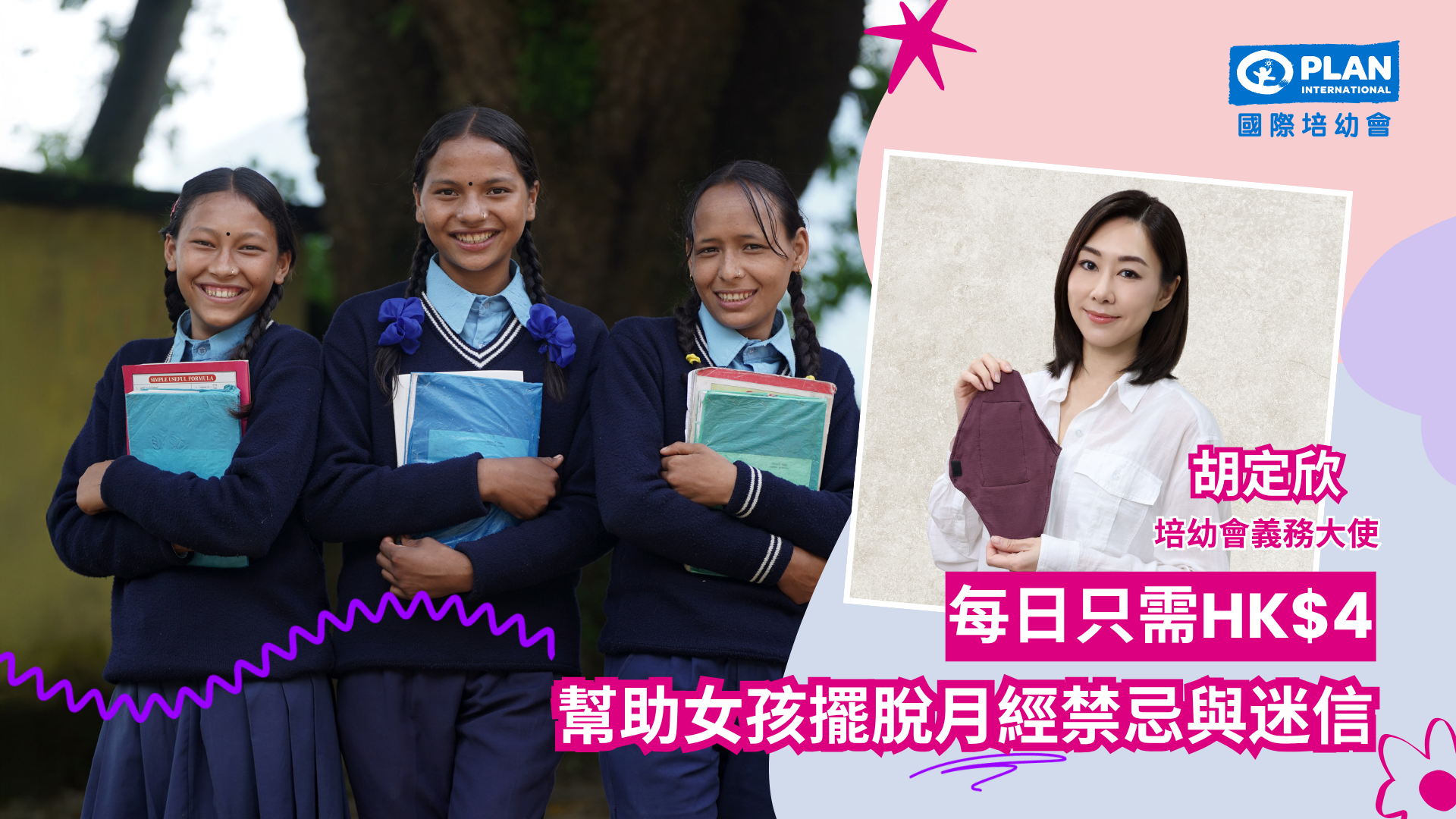
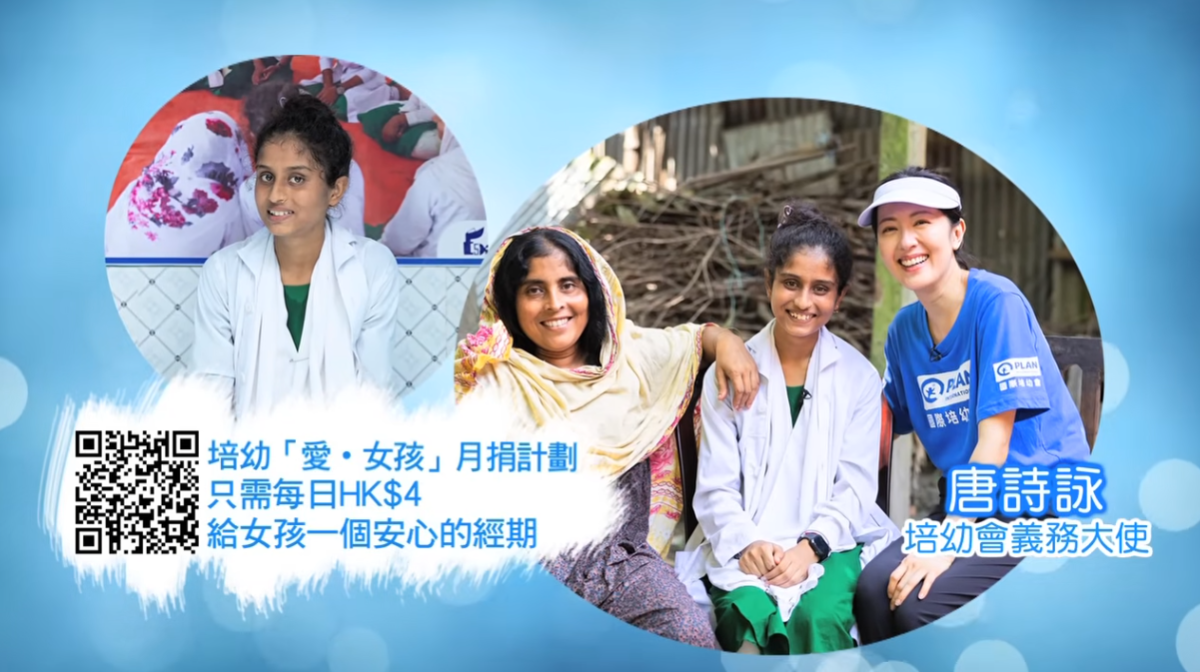
In many developing countries, girls lack awareness of menstrual hygiene and cannot afford sanitary pads, forcing them to use old cloth instead. This often leads to bacterial infections and harms their health.
At the same time, menstruation is regarded as ‘unclean’, and girls, to avoid discrimination at school during their periods, are compelled to miss three to five days of classes each month—losing valuable learning time.
Through Plan International’s community menstrual education programmes, parents and community members are taught to respect girls’ rights, while girls are trained to make reusable sanitary pads.

Nearly 90% of Nepali girls have experienced some form of constraints, isolation, discrimination or rejection during menstruation.

In Nepal, about 20% of public schools still lack access to water and sanitation facilities, while around 19% of the schools do not have gender-segregated toilets or menstrual hygiene management facilities.

Sanitary pads are also costly in Nepal—a pack of thirty good-quality pads costs about HK$33, which is enough for one girl for a single menstrual cycle. For poor families, this expense amounts to roughly 60% of their daily income.

Sharing their first period experiences
Period taboo and period shaming have stopped many girls
from discussing about their first period experiences with their family and friends.
Plan International Hong Kong has invited Stpehy and YouTuber Lily
to discuss on menstrual health issue
meanwhile to learn about the first period rituals and myths in India, Hong Kong and other countries
Help Break Period Poverty and Shaming
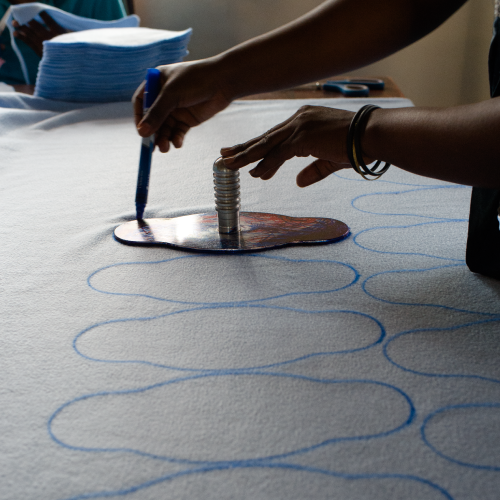
You can provide a girl with reusable sanitary pad workshops.
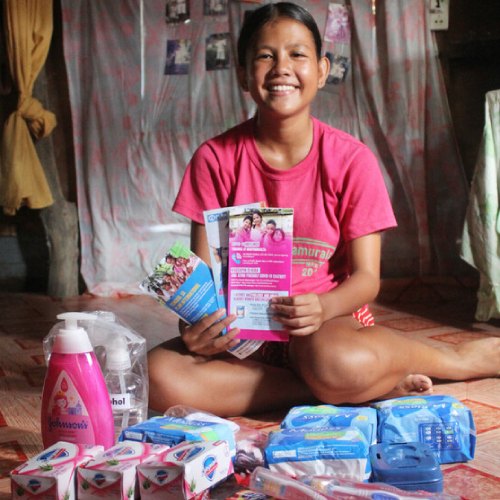
You can support schools to provide sanitary and hygiene kits to girls with materials including soap, toothbrush and paste, towel, nail cutter, comb, toilet brush and cleaning agent, dustbin, bucket, tub and mug, sanitary pads, etc.
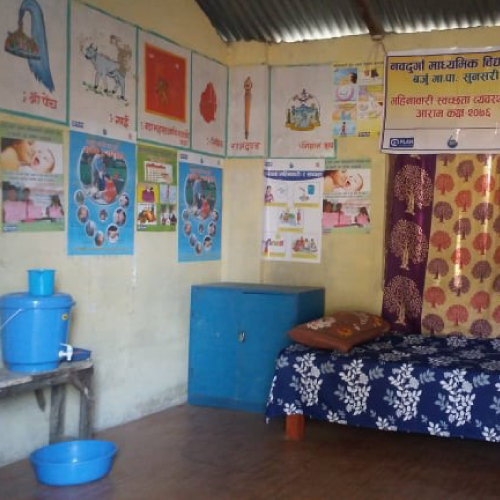
You can help establish menstrual-friendly rooms with beds, handwashing facilities, rubbish bins, gender and reproductive health posters, etc.) at school for girls to get rest during menstruation and learn about their physiological phenomenon.
Allocation of donations
Plan International will allocate donations for designated projects in accordance with the donor’s intent. However, when the designated project is fully funded, additional donations will be used where needed most for more efficient use of resources without prior notice.